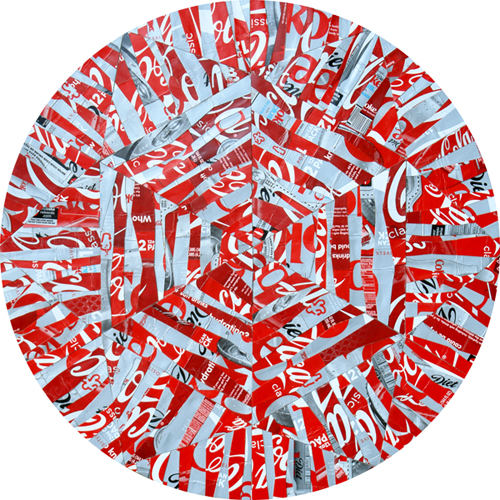
[M]uch is being nailed down
“[M]uch is being nailed down. Colours, for example, to the mast.”
—Salman Rushdie, The Moor’s Last Sigh, 1995.
Frosted
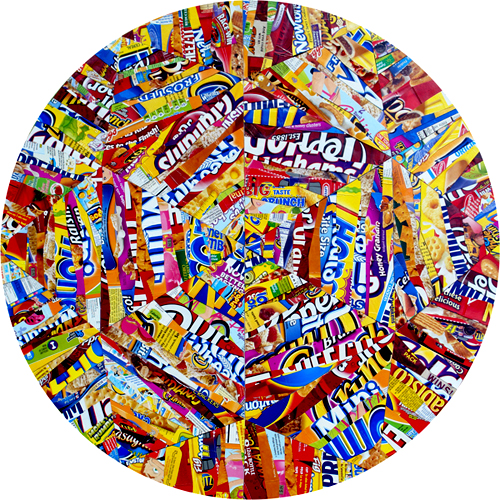
the distinctive “Bo Diddley Beat”
“The Bo Diddley beat has been used by many other artists, including Elvis Presley (“His Latest Flame”); Bruce Springsteen (“She’s The One”); U2Desire”); The Smiths (“How Soon Is Now?”); Roxette (“Harleys And Indians (Riders In The Sky)”); Dee Clark, a former member of the Hambone Kids (see above) (“Hey Little Girl”); Johnny Otis (“Willie and the Hand Jive”); George Michael (“Faith”); Normaal (“Kearl van stoahl”); The Strangeloves (“I Want Candy”); Ace Frehley (“New York Groove”); Primal Scream (“Movin’ on up”); David Bowie (“Panic in Detroit”); The Pretenders (“Cuban Slide”); The Police (“Deathwish”), Wayne Fontana & The Mindbenders (“The Game of Love”); The Supremes (“When the Lovelight Starts Shining Through His Eyes”); Jefferson Airplane (“She Has Funny Cars”); The White Stripes (“Screwdriver”); The Byrds (“Don’t Doubt Yourself, Babe”); Tiny Letters (“Song For Jerome Green”) and The Stooges (“1969”). The early Rolling Stones sound was strongly associated with their versions of “Not Fade Away” and “I Need You Baby (Mona)”. The Who’s “Magic Bus” also is based upon the distinctive “Bo Diddley Beat”.”
—Wikipedia, Bo Diddley.
the sacred vowels
“Hail to the sacred vowels! Supreme salutations to the holy consonants!”
—Prayer to the alphabet, Tibetan monks; quoted by John Stevens in Sacred Calligraphy of the East, third edition, 1995.
Meditation on the letter A
“A is the first and most important of the Siddham characters. . . .
Meditation on the letter A (ajikan) is an essential practice of esoteric Buddhism. Usually, the character is set on an eight-petaled lotus in the center of a round moon, and then mounted on a board or scroll. The mounted character is set against a wall in the meditation hall. After performing the prescribed ritual including prostrations, mantras, and mudras, the meditator sits in the lotus posture about one meter from the character.
Pronouncing the A sound with each breath, he visualizes the moon, drawing it into his heart and expanding it gradually until its brilliance permeates the universe. Now from the center of the moon A is perceived as the essence of Mahavairocana—the distinction between worshiper and worshiped is effaced. Near the end of the meditation the moon and the letter are returned to their original form.”
—John Stevens, Sacred Calligraphy of the East, third edition, 1995.
the speech of the gods
“All ancient [writing] systems . . . hold one idea in common: writing is divine, inherently holy, with powers to teach the highest mysteries; writing is the speech of the gods, the ideal form of beauty. The Egyptians were taught writing by Toth, the scribe of the gods, and named their script ‘the divine’; Jehovah engraved the letters with his fingers when he gave the Commandments to the Hebrews; the Assyrian god Nebo revealed the nature of cuneiform to his people; Cangjie, the four-eyed dragon-faced wizard, modeled the Chinese characters after the movements of the stars, the footprints of birds, and other patterns that occurred in nature; and in India the supreme god Brahma himself gave knowledge of letters to men.”
—John Stevens, Sacred Calligraphy of the East, third edition, 1995.
Write it large and in slow motion
“Write it large and in slow motion staring at the line. Watch the line. Pretend it is alive and you are just watching it.”
—Lynda Barry, What It Is, 2008.
an original line in the shape of an S
“I have found that writing by hand slowly is faster than a computer-way of doing it, though I know it’s not easy the way a computer is easy. Tapping a finger is not as complicated as making an original line in the shape of an S. Different parts of the brain are used when we make an S by hand and more of the body than a finger tap and images seem to come from this kind of being in motion. . . . Hand writing is an image left by a living being in motion. . . .”
—Lynda Barry, What It Is, 2008.
you are paying no attention at all
“Keep in mind as you read these words that you are paying no attention at all to the letters of the alphabet.”
—Lynda Barry, a typeset snippet in a collage from What It Is, 2008.
The Real Thing